


The shoulder joint is one of the most mobile and complex joints in the human body. In daily life, we use our shoulders in many activities without even realizing it—reaching for objects, carrying bags, cleaning ceilings, playing sports, and more. However, some of these movements, especially when repeated or performed with improper technique, can overstrain the shoulder and lead to various problems over time. “Therefore, protecting shoulder health is not only essential for pain-free movement but also to improve overall quality of life and prevent long-term musculoskeletal problems.”
1- Strengthen the Shoulder Muscles
The muscles around the shoulder (such as the rotator cuff and deltoid) are among the most important structures that ensure joint stability. With regular exercises, these muscles can be strengthened to make the shoulder more resistant to injuries.
Controlled exercises using light weights
Stretching and strengthening with resistance bands (Therabands)
Controlled body workouts such as yoga and Pilates
2- Correct Your Posture
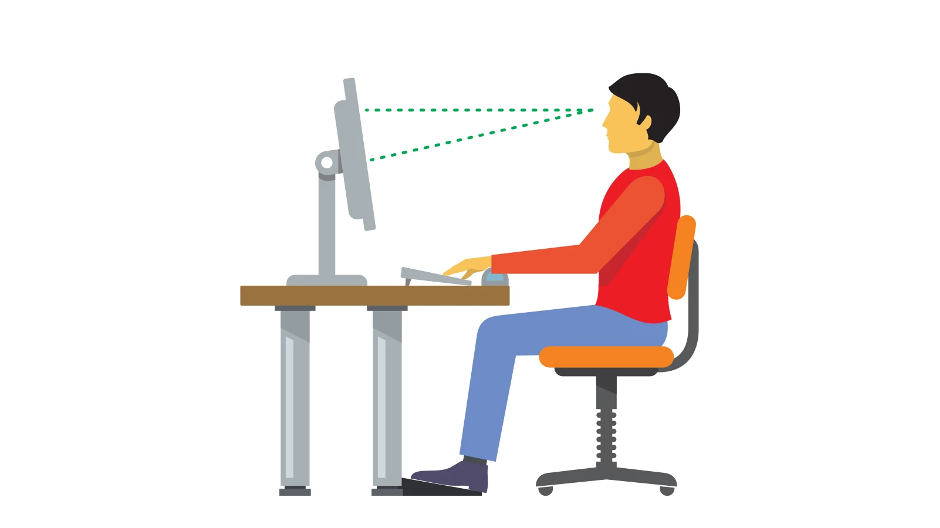
Slouching throws the shoulders forward and disrupts muscular balance. This paves the way for conditions like shoulder impingement syndrome. People who spend long hours at the computer or on mobile devices are at high risk for posture-related shoulder problems.
Keep your computer monitor at eye level
Use a chair with back and lumbar support
Take short walks and do shoulder stretches every hour
3. Avoid Heavy Loads
Carrying heavy bags on one shoulder (especially purses or backpacks) can stress the shoulder muscles unevenly. This imbalance can lead to muscle fatigue, pain, and eventually tendon injuries.
Distribute bag weight evenly on both shoulders
Avoid sudden, jerky movements when lifting
Don’t push your physical limits during chores or exercise
4. Reduce Repetitive Movements
Sports like tennis, swimming, and volleyball, or overhead activities like painting, involve repetitive shoulder motions. These movements can gradually wear down tendons, causing micro-tears that may progress to serious injuries.
Always warm up and stretch before exercise
Vary your movements instead of repeating the same one constantly
Cool down and use ice therapy if needed after workouts
5. Pay Attention to Sleep Position
Sleeping on the shoulder can worsen pain, especially if the tendons are already irritated.
Sleeping on your back is ideal for shoulder health
If you sleep on your side, place a pillow under your arm
Avoid using overly thick pillows under the shoulder

6. Don’t Ignore Shoulder Pain
Shoulder pain usually develops gradually and worsens over time. Many dismiss it as minor muscle soreness. But persistent pain, nighttime discomfort, or difficulty moving the arm can indicate a serious issue.
If you wake up at night due to pain
If you cannot lift your arm above your head
If pain radiates down your arm or you feel weakness—these may be signs of a tear
7. Early Intervention and Checkups Are Crucial
When shoulder issues are recognized early, they can often be treated without surgery. Physical therapy, medications, and injections can help maintain function. But delayed or advanced cases may require surgical treatment.
In conclusion, shoulder health can be preserved through proper posture, regular exercise, avoiding overload, and early intervention. Being conscious of how we use our shoulders in daily life can prevent many future problems.
Remember, a healthy shoulder means a healthy life.