Tennis elbow, medically known as lateral epicondylitis, is a process of strain and degeneration that develops at the point where the muscles attach to the bone on the outer part of the elbow...
The biceps muscle is an important muscle that extends from the shoulder to the elbow and enables both bending (flexion) and outward rotation (supination) of the arm. This muscle...
The elbow joint, together with the upper arm bone (humerus) and the forearm bones (radius and ulna), is a highly complex and delicate structure. The lower end of the humerus, near the elbow...
The olecranon is the bony protrusion on the back of the elbow, located on the ulna (forearm) bone. The triceps muscle, which straightens the arm, attaches to this bone. This...
Elbow arthrodesis refers to the fusion of the elbow joint. In this surgical procedure, the range of motion in the elbow is eliminated, and the joint is fixed in a specific...
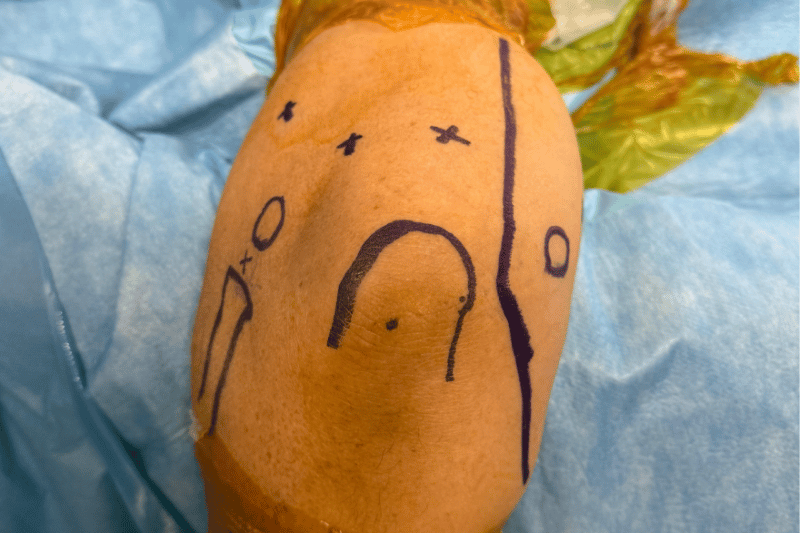
The elbow joint is a complex structure composed of bone, cartilage, ligaments, and muscles. For the diagnosis and treatment of problems arising among these structures, a minimally invasive surgical procedure...
Elbow instability occurs when the ligaments—the connective tissues that hold the joint together—are damaged, causing the elbow joint to become loose and dislocated...
Elbow replacement is a procedure performed primarily to restore joint function following severe osteoarthritis, rheumatoid arthritis, or serious fractures...
Golfer's elbow, medically known as medial epicondylitis, is the degeneration of the muscle tendons on the inner side of the elbow caused by repetitive strain...
An elbow dislocation occurs when the bones that make up the elbow (humerus, radius, and ulna) become separated from the joint. When the dislocation is isolated, closed reduction (repositioning...
Cubital tunnel syndrome is a nerve compression disorder caused by compression of the ulnar nerve as it passes through the inner part of the elbow. The ulnar nerve supplies sensation to the 4th and 5th...
Radial tunnel syndrome occurs when the posterior interosseous nerve—one of the branches of the radial nerve—becomes compressed between the muscles on the outer (lateral) side of the forearm...
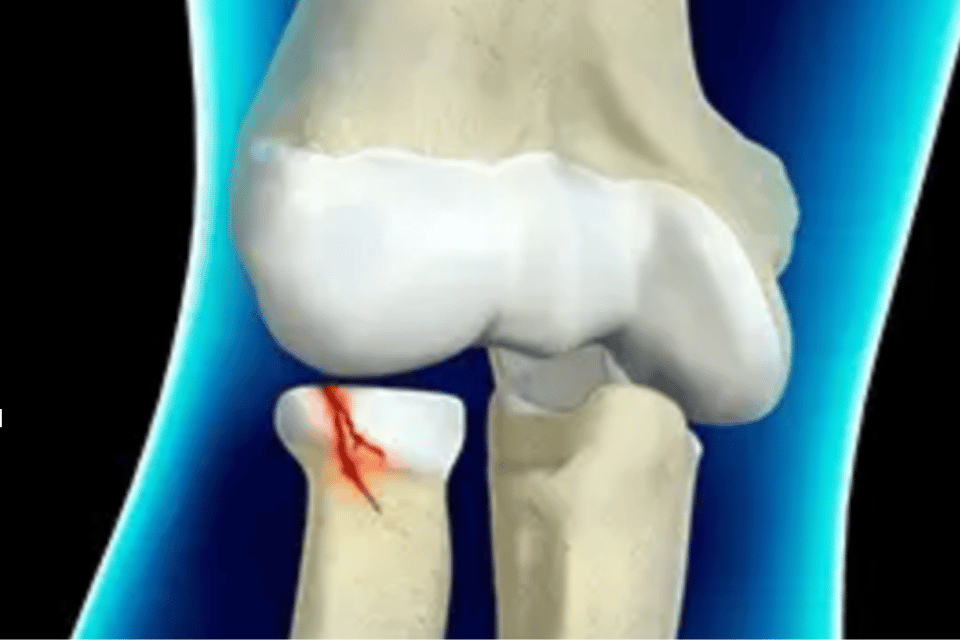
Fractures of the radial head are fractures that occur in the joint-forming head of the radius—the bone in the forearm located on the outer side of the elbow. These fractures are usually caused by a fall...